October and November are the best months to dive the Red Sea. The water is still 25 to 28°C (77 to 82°F). The summer heat has gone from the decks. Oceanic whitetip sharks are most reliable at the offshore reefs.
April and May are the second window. The water is cooler, around 22 to 25°C (72 to 77°F), and hammerhead season begins offshore. The Red Sea is diveable all year, so the right month depends on what you want to see and who else is on board.
Below is the whole year, month by month. It is written for a private yacht, where some guests dive and some only swim. If you are new to the idea, start with how a private Red Sea liveaboard works.
Quick answer
- Best overall. October and November. Warm water, milder air, oceanic whitetips at the offshore reefs.
- Second best. April and May. Comfortable air, water warming up, hammerheads starting offshore.
- Warmest water. August, about 28 to 30°C (82 to 86°F). Also the hottest air, near 38°C (100°F) at Hurghada.
- Coolest water. February, about 21 to 23°C (70 to 73°F). A 5 mm wetsuit is the norm.
- Quietest reefs. January and February, outside the holiday weeks.
- Best for a mixed group of divers and swimmers. May, June, September and October, when the water is 24°C (75°F) or warmer.
What is the best month to dive in the Red Sea?
October is the best single month to dive the Red Sea. November is a close second.
In October the water is about 26 to 28°C (79 to 82°F). Daytime highs at Hurghada fall to about 32°C (90°F), down from about 38°C (100°F) in August. A 3 mm wetsuit is usually enough.
October and November are also the main season for oceanic whitetip sharks. They patrol the offshore reefs, and Elphinstone near Marsa Alam is the one a private yacht reaches most easily. Our Marsa Alam and southern reefs itinerary is built around it.
The trade-off is demand. April, May, October and November are the months dive boats fill first. Dive operators advise booking them 6 to 9 months ahead. Plan an autumn yacht charter just as early.
What is the Red Sea like month by month?
The water stays between about 21 and 30°C all year. The north is about 1°C cooler than the south in most months. The air changes far more than the sea: daytime highs at Hurghada run from about 22°C in January to 38°C in August.
| Month | Water, north (Hurghada, Sharm) | Water, south (Marsa Alam) | Daytime high, Hurghada | Best for |
|---|---|---|---|---|
| January | 22 to 23°C | 23 to 24°C | 22°C | Wrecks in the north, quiet reefs |
| February | 21 to 22°C | 22 to 23°C | 24°C | Coolest water, fewest boats |
| March | 21 to 22°C | 23°C | 26°C | Warmer days, water still cool |
| April | 22 to 23°C | 23 to 24°C | 30°C | Spring window opens, busy at Easter |
| May | 24°C | 25 to 26°C | 34°C | Hammerheads begin offshore |
| June | 26°C | 27°C | 36°C | Hammerheads, long days, warm swims |
| July | 27 to 28°C | 28 to 29°C | 37°C | Warm water, very hot ashore |
| August | 28 to 29°C | 29 to 30°C | 38°C | Warmest water of the year |
| September | 27 to 28°C | 28 to 29°C | 35°C | Warm water, heat starts to ease |
| October | 26 to 27°C | 28°C | 32°C | Best all round, whitetip season |
| November | 25°C | 26 to 27°C | 28°C | Whitetips, mild days |
| December | 23 to 24°C | 24 to 25°C | 24°C | Mild days, busy over the holidays |
Figures are long-term monthly averages, rounded. Sea temperature sources differ by about 1°C, so where they disagree we show the range. Single days can be cooler, especially in the north in February.
In Fahrenheit:
- 21°C is 70°F.
- 24°C is 75°F.
- 27°C is 81°F.
- 30°C is 86°F.
- 38°C is 100°F.
When can you see sharks, dolphins and turtles in the Red Sea?
Reef fish, coral and wrecks are there all year. The big animals are seasonal, and dive operators do not agree on the exact months. Where they disagree, we give the wider range.
- Oceanic whitetip sharks: October and November. These are the most consistent months. Some operators stretch the season from September to December. They are seen at the offshore reefs, Elphinstone included.
- Scalloped hammerheads: May to October. One operator puts the peak in May to July, another in August and September. They school at depth on the offshore reefs, so they are a sighting for experienced divers.
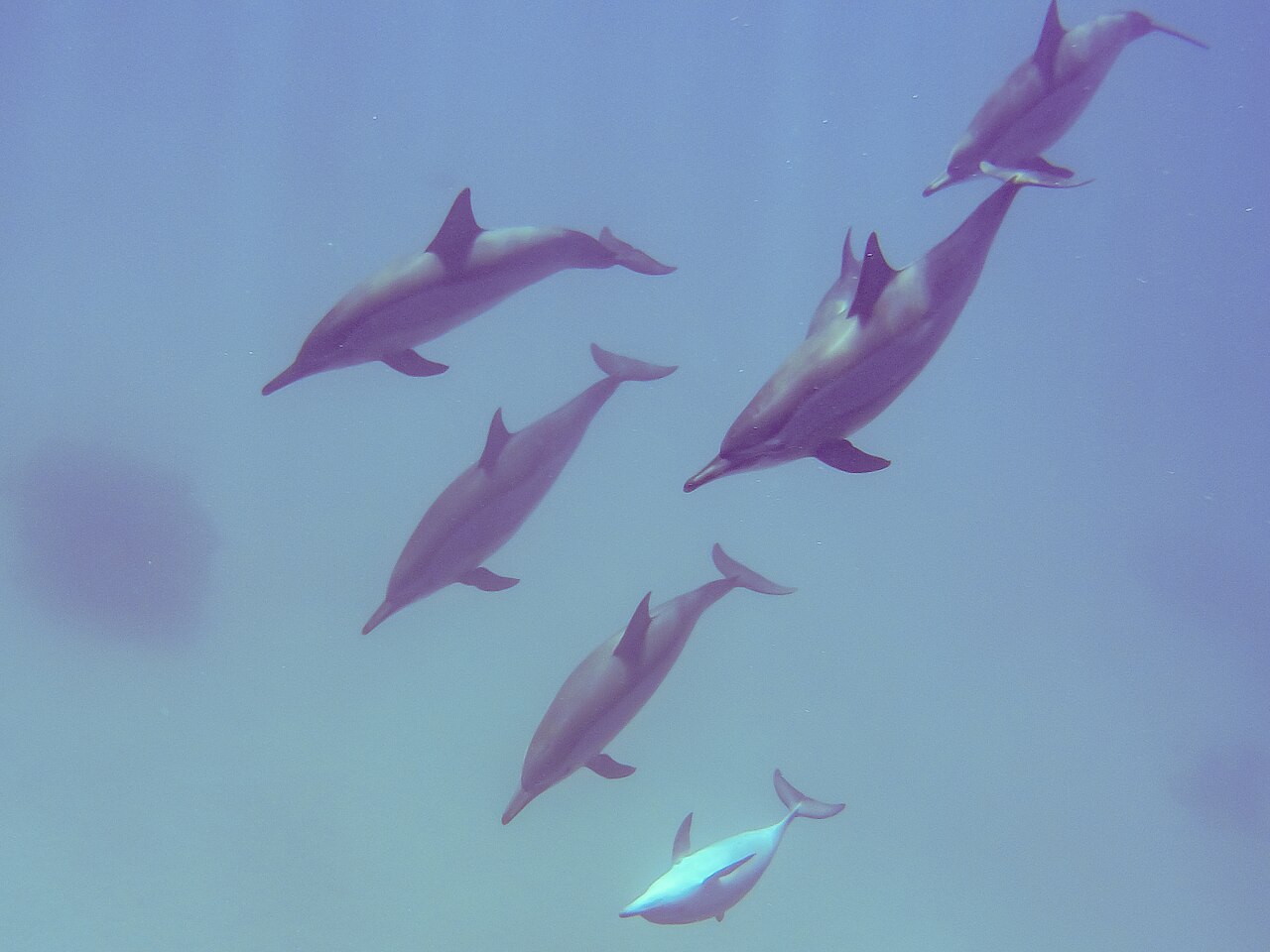
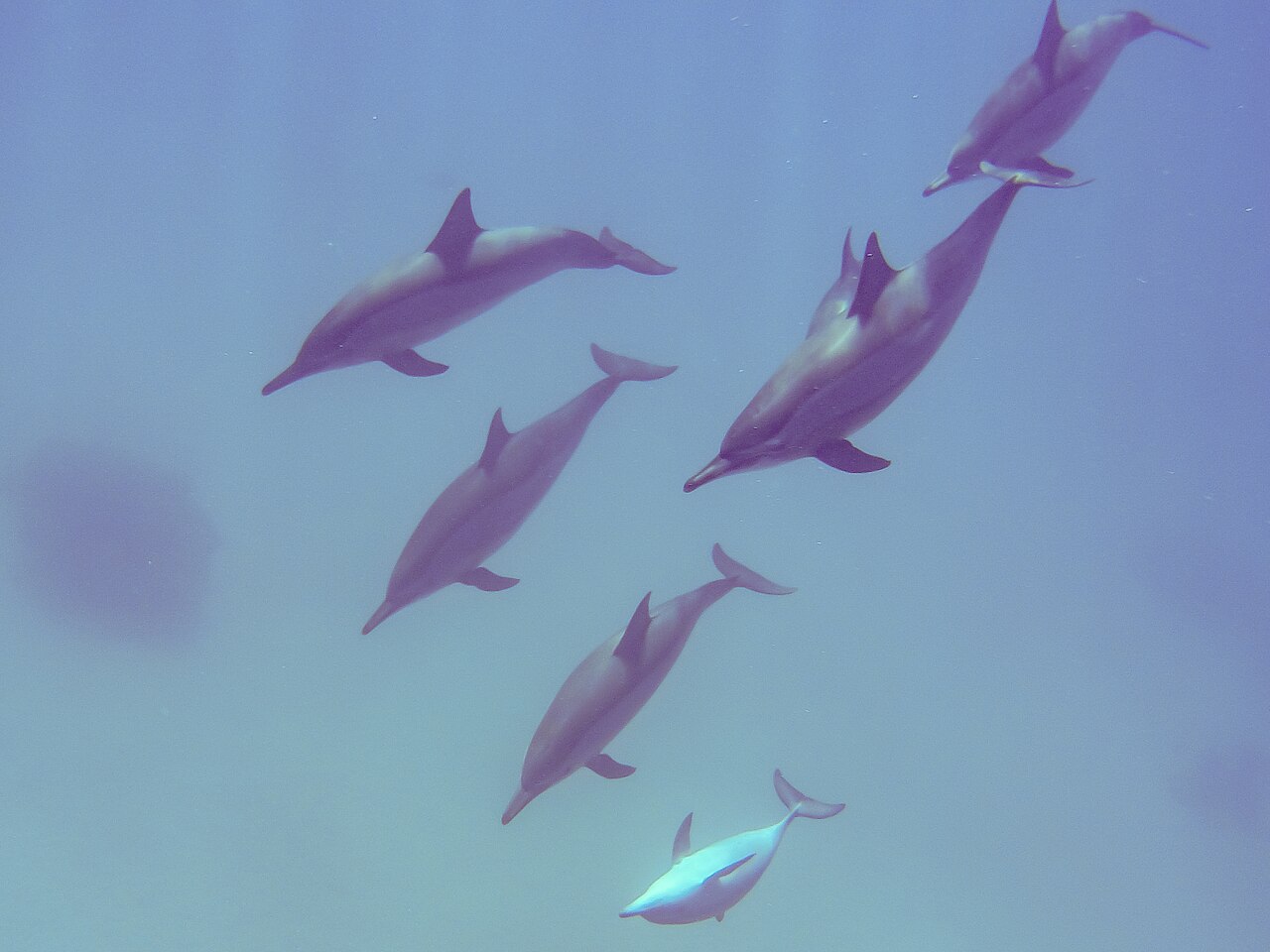
- Spinner dolphins: all year. They rest by day in the lagoons of Sataya and Sha’ab Samadai in the south. In a HEPCA survey at Sataya, boats met a dolphin group on 93% of visits. Parts of Sataya are closed to all visitors to protect the dolphins, so the crew keeps to the permitted areas.
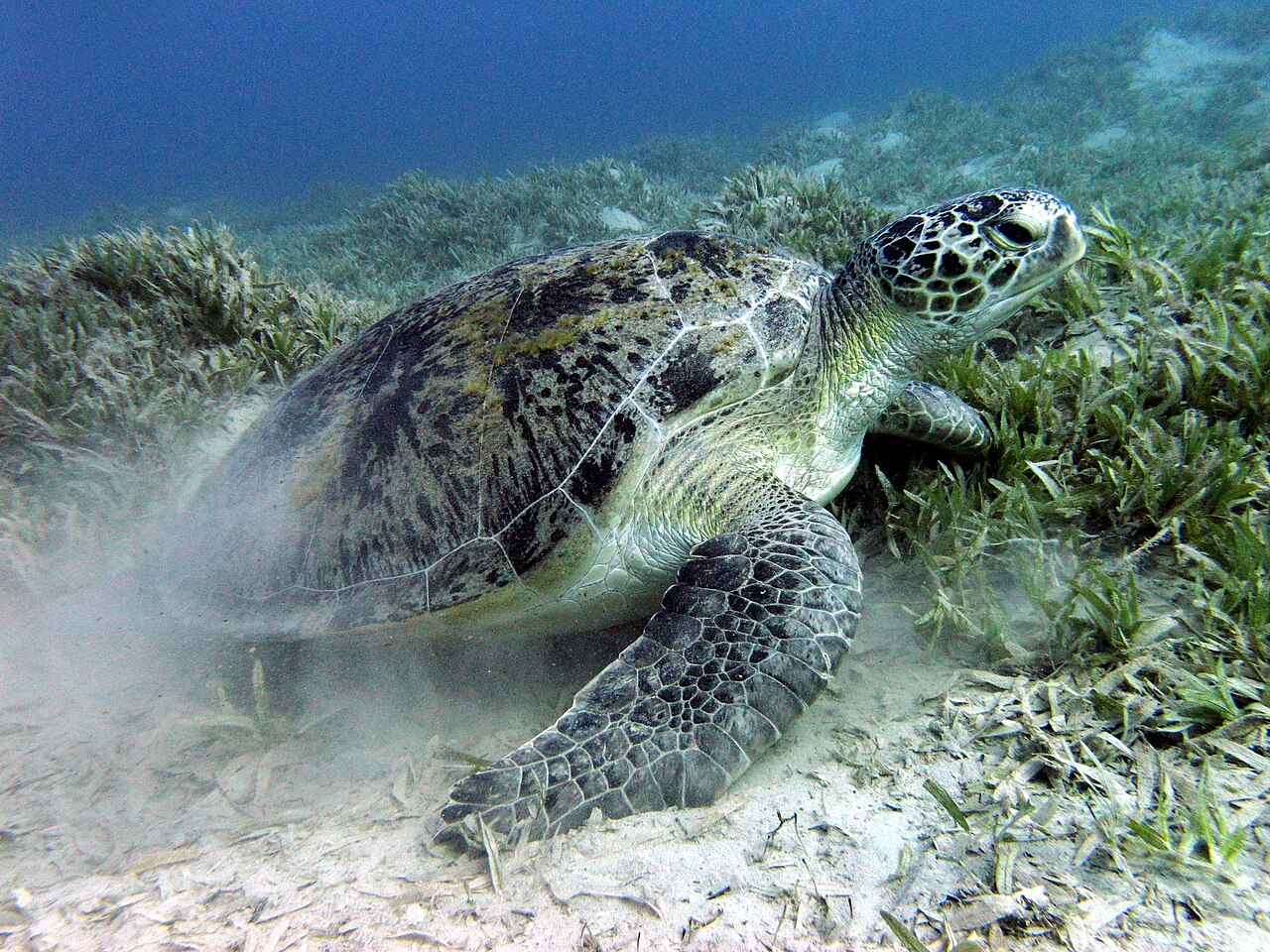
- Green turtles: in the south. They graze on the seagrass bays near Marsa Alam.
- Whale sharks: rare. Most reports fall between May and August. Treat one as a bonus, never as a reason to pick a month.
Visibility is 20 to 40 meters (65 to 130 feet) for most of the year. Summer plankton can lower it for a few days at a time.
How does the north wind change a Red Sea charter through the year?
The wind in the northern Red Sea blows from the north for most of the year. It decides which side of a reef you moor on and when the yacht makes a crossing.
- Summer is windier on average. At Hurghada, the windier part of the year runs from late May to early October. September has the highest average wind.
- Winter feels windier. The air is cooler, so a north wind on deck is cold. Winter storms in the Mediterranean also send stronger blows down the upper Red Sea, and dive operators treat December to February as the rough season in northern Egypt.
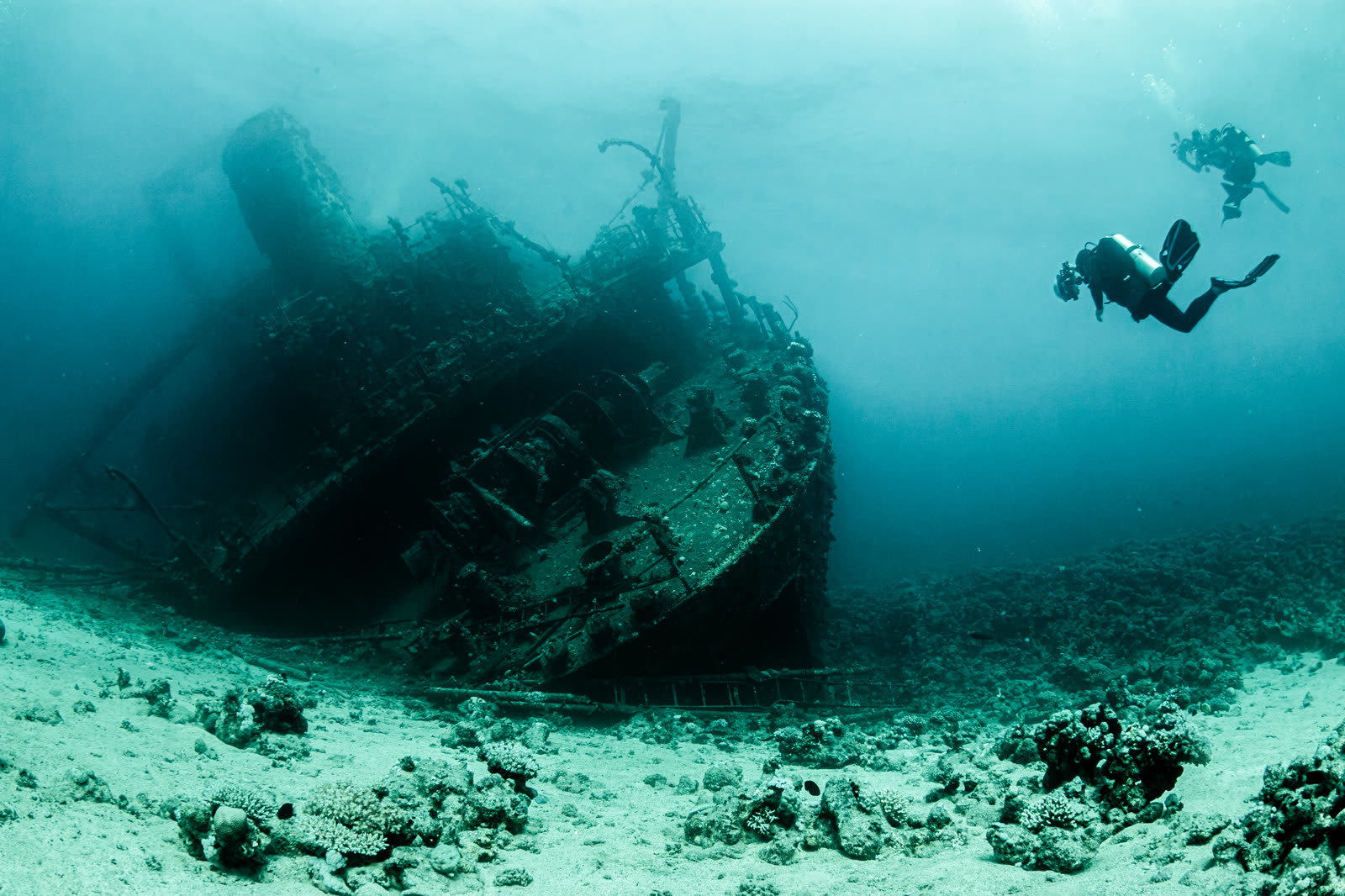
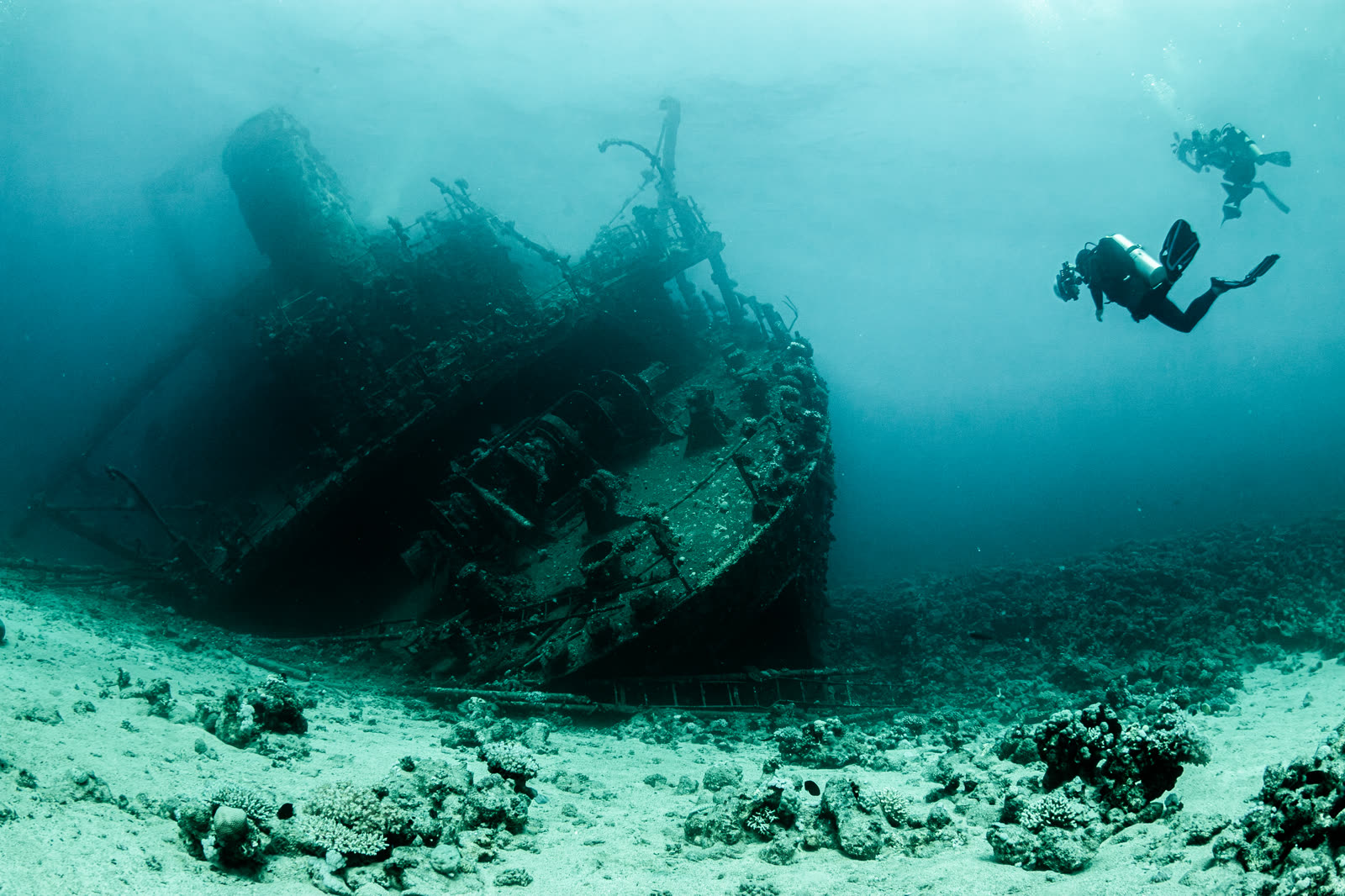
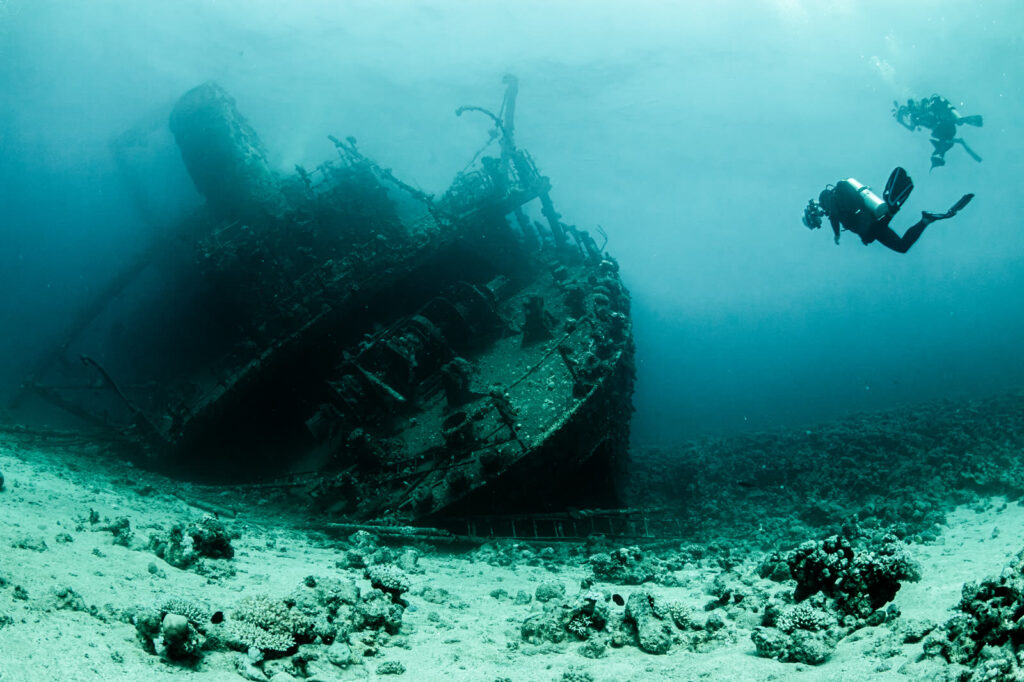
- The Strait of Gubal is the choppiest stretch. It sits at the mouth of the Gulf of Suez, where the wind is funneled. The SS Thistlegorm and the wrecks of Abu Nuhas are here.
- Sharm el Sheikh is less windy than Hurghada. Its windiest month, June, averages 10.5 mph. Hurghada’s windiest month, September, averages 14.5 mph.
On a private yacht, the wind changes the day, not the trip. The captain usually makes the longer crossings early in the day, before the wind builds, and moors on the sheltered side of the reef for the afternoon. That is the logic of our Hurghada to Sharm el Sheikh itinerary, which runs with the wrecks in the north and Ras Mohammed at the end.
When is the Red Sea warm enough for guests who do not dive?
From May to November, most swimmers snorkel without a wetsuit. The water is 24°C (75°F) or warmer in those months.
From December to April, many swimmers wear a shorty or a thin wetsuit to snorkel. The reefs are just as good, and the air on deck is the most comfortable of the year.
July and August are hot ashore. Highs reach 37 to 38°C (99 to 100°F) at Hurghada. On a yacht this matters less than in a resort, because the deck has shade and the sea is always a step away. Plan shore trips for early morning.
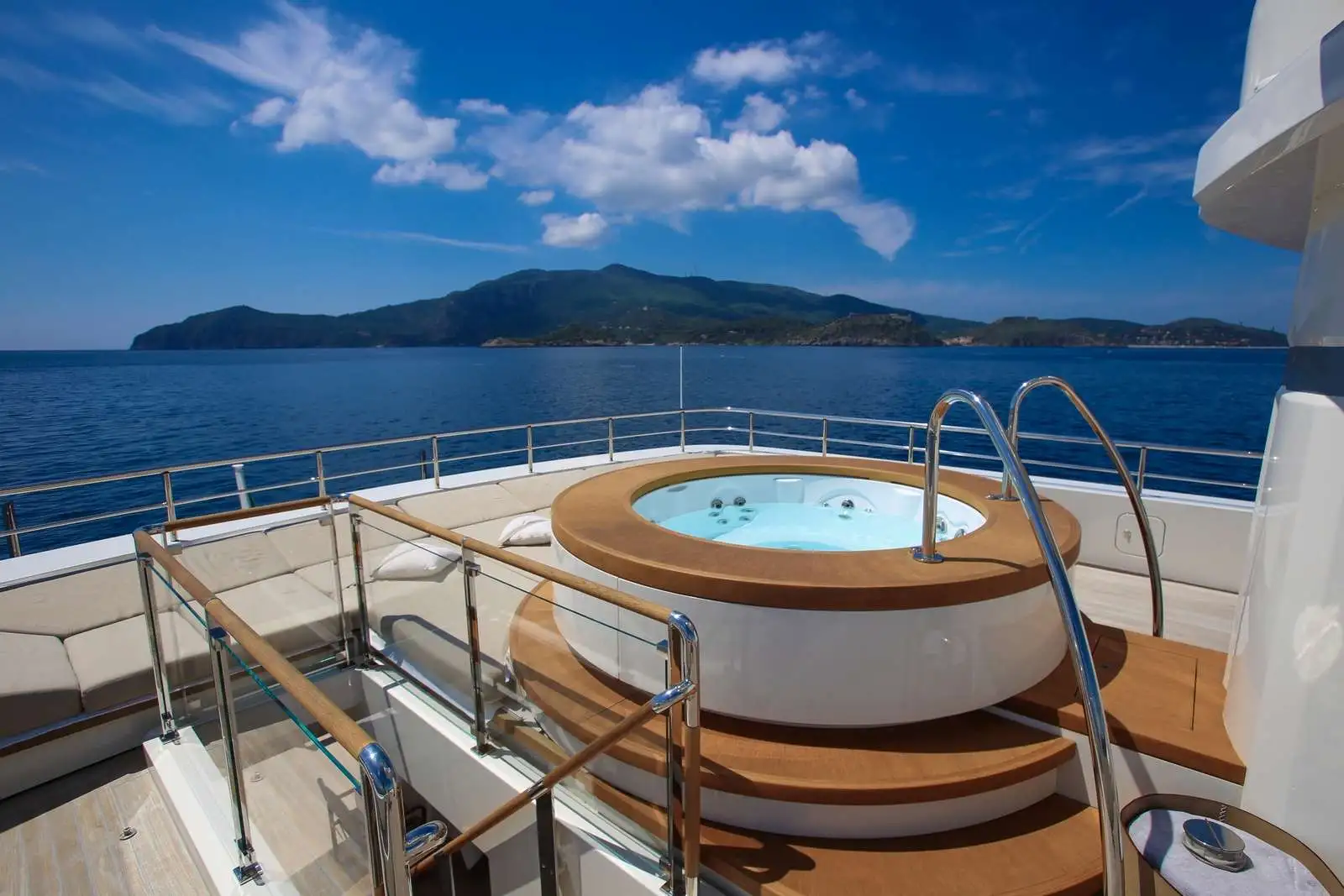
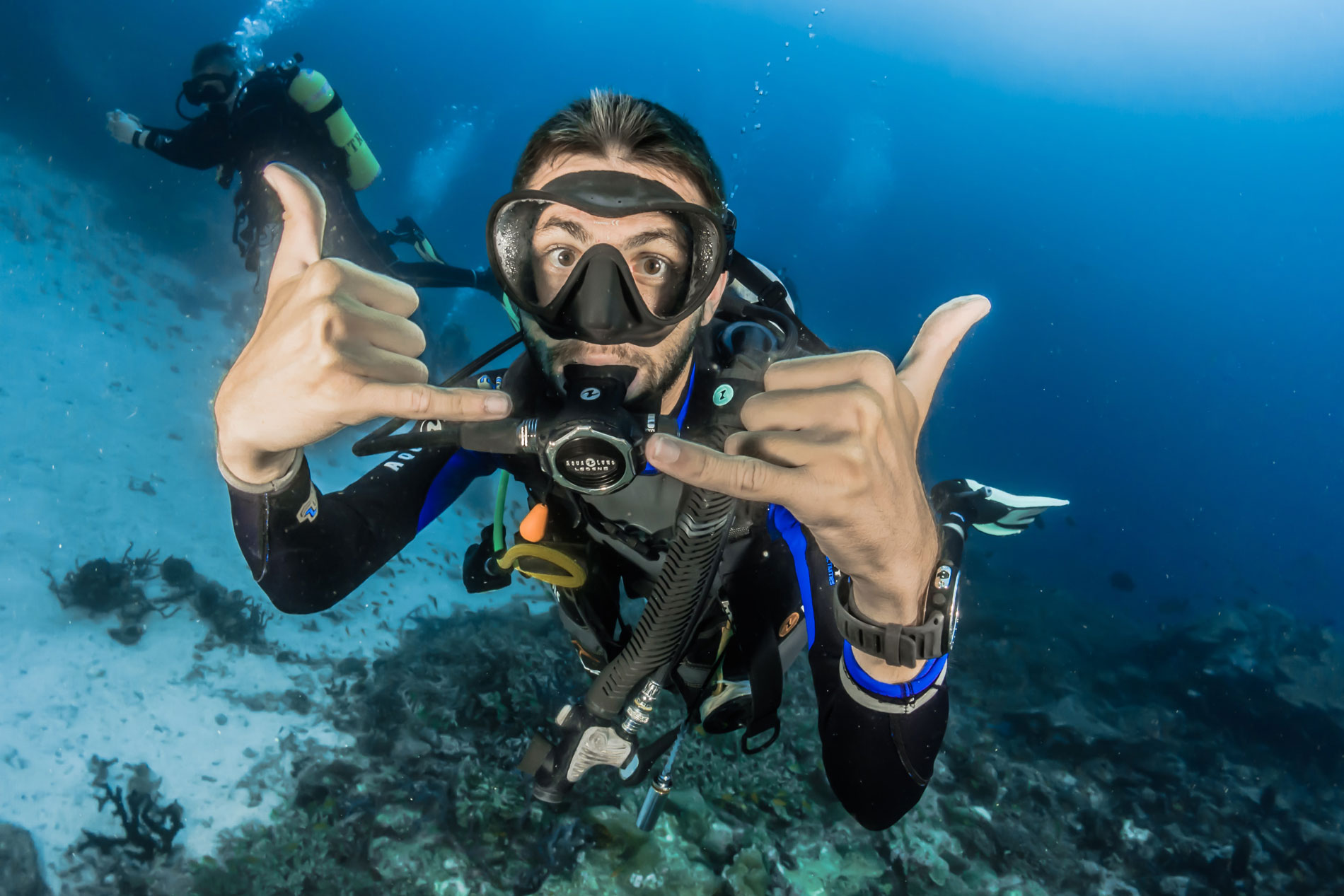
The reefs start right under the swim platform, so a non-diver sees the same coral and fish as a diver, just from the surface. The dolphin lagoons in the south are best from the surface too. If some of your group want to learn, look at yachts with scuba diving on board, where the yacht can bring a dive guide or instructor.
When is the Red Sea busiest, and when is it quiet?
The reefs are busiest in the holiday weeks, and quietest in January and February.
- Easter week. The busiest week of spring.
- July and August. European school holidays fill the resorts in Hurghada and Sharm el Sheikh.
- Christmas and New Year. A peak for winter sun trips from Europe.
- April, May, October and November. Dive boats and the best yachts book up first for these months.
A private yacht avoids most of the crowd anyway. She sleeps at the reef, so you dive or swim before the day boats arrive from port and after they leave. It matters most on the famous reefs closest to Hurghada and Sharm el Sheikh, where the day boats gather.
Which Red Sea route suits which season?
Both of our main routes run all year. The season only changes the emphasis.
- Autumn, for sharks: the south. The Marsa Alam route puts Elphinstone and the dolphin lagoons in one week. The water is also about 1°C warmer than in the north.
- Winter and spring, for wrecks: the north. The Hurghada to Sharm el Sheikh route covers the northern wrecks and Ras Mohammed. The captain fits the wreck dives around the calmer days.
- Summer, for warm water: either. Both routes have their warmest water in July and August.
Tell us your month, how many of you dive and what you most want to see. We match the route and a Red Sea yacht to it and send you the plan in writing.
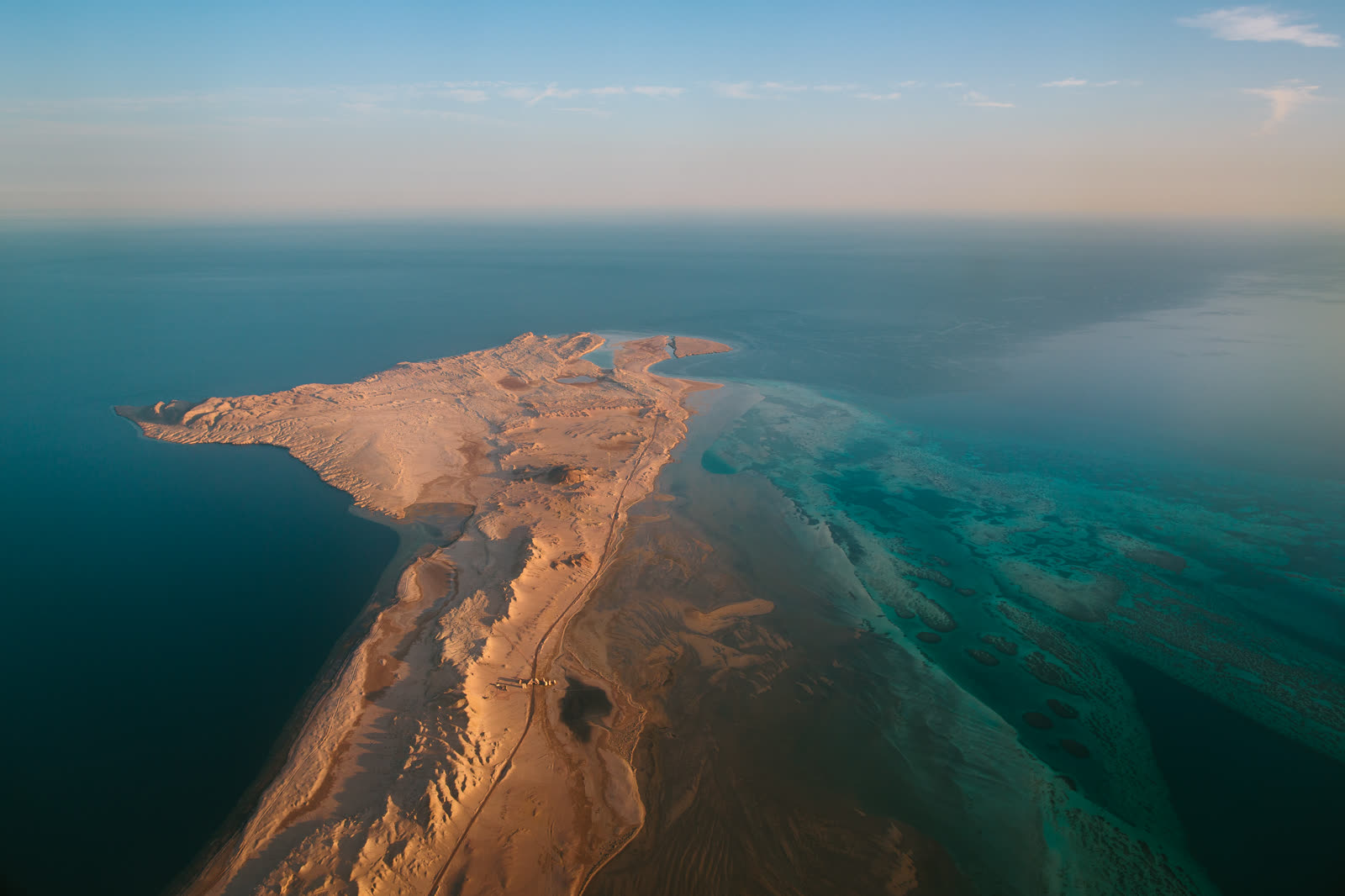
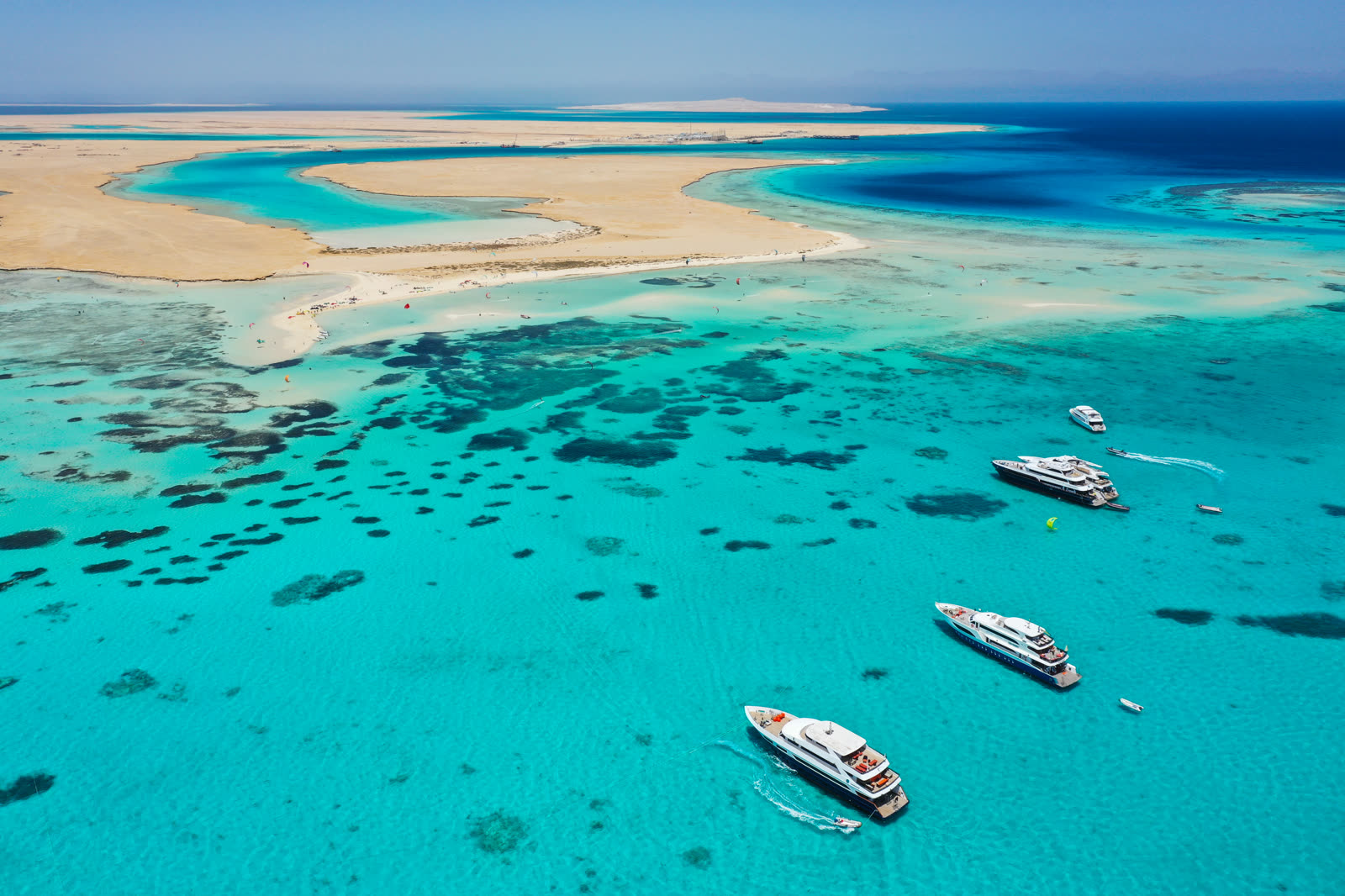
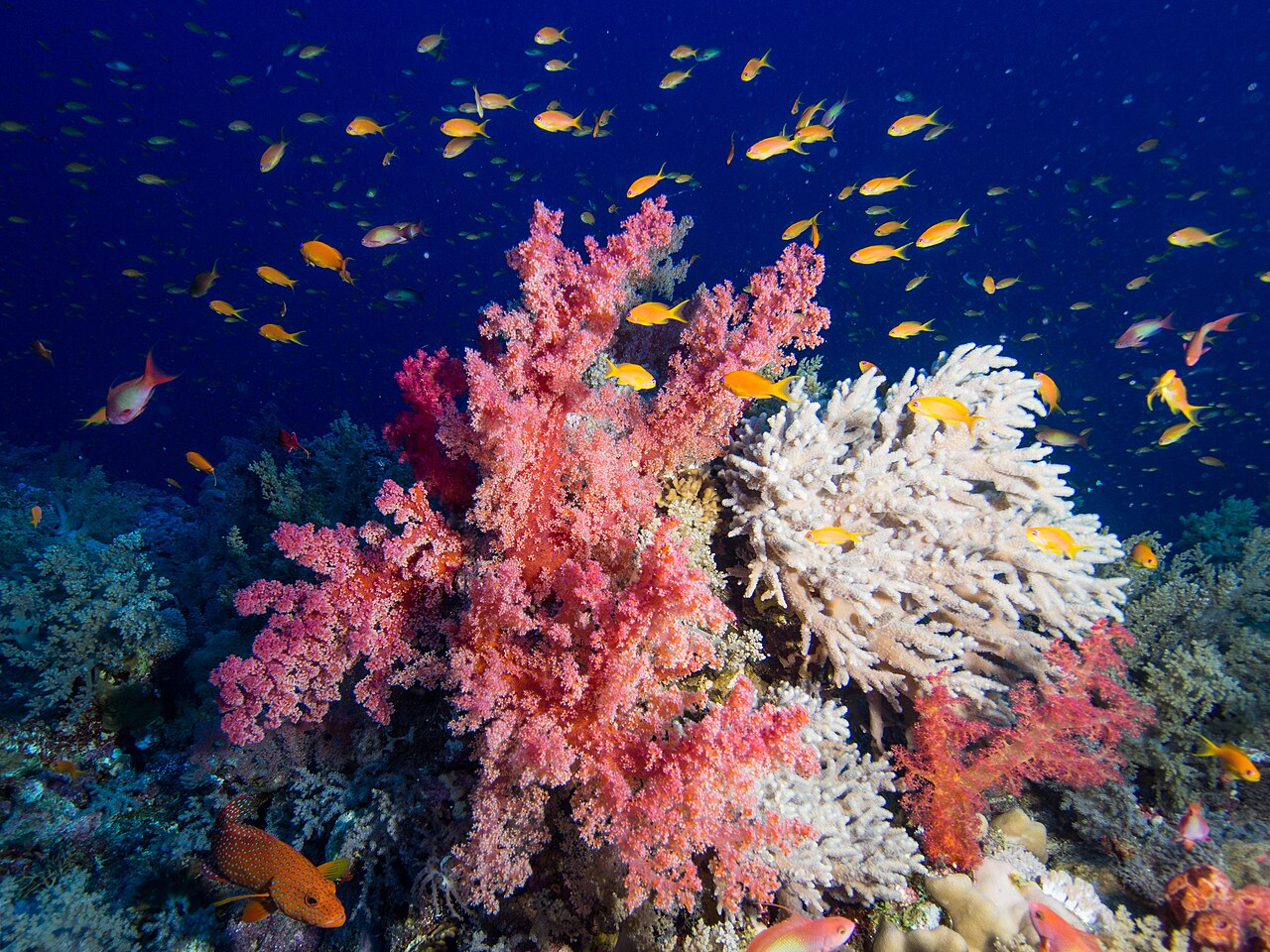
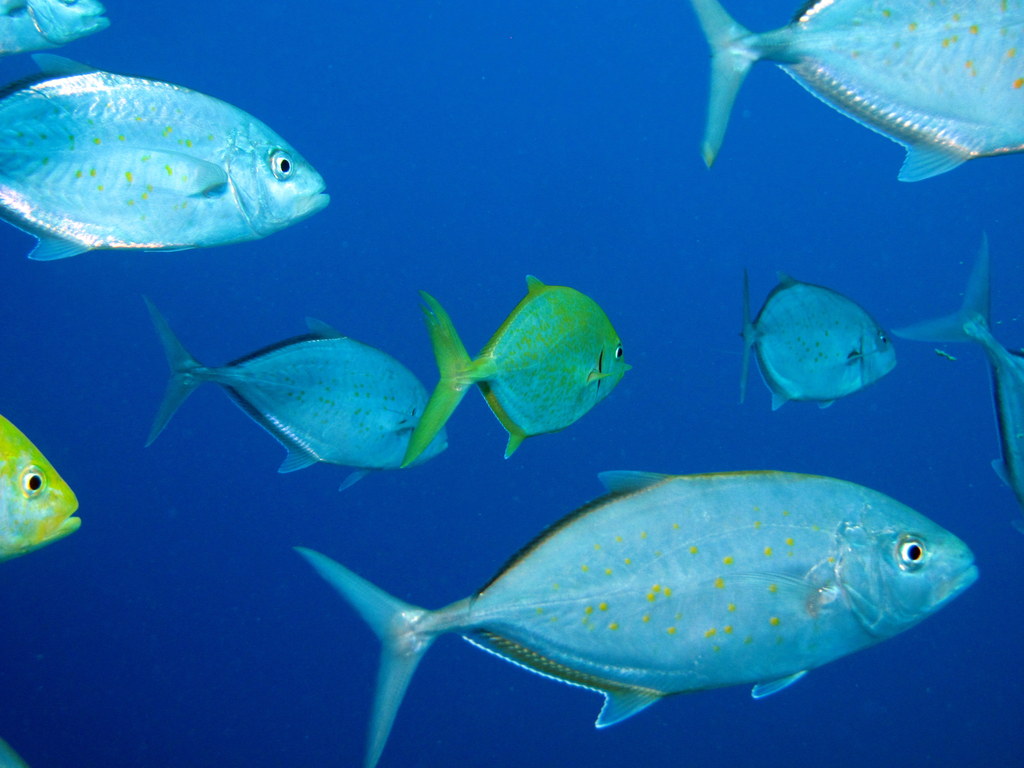
Photo credits: school of trevally at Sataya Reef by Derek Keats (CC BY 2.0); spinner dolphins by Diego Delso (CC BY-SA 4.0); green sea turtle near Marsa Alam by Alexander Vasenin (CC BY-SA 3.0); Elphinstone Reef soft corals by Alexander Vasenin (CC BY-SA 4.0). All via Wikimedia Commons.
People also ask
What is the best month to dive in the Red Sea?
October. The water is about 26 to 28°C, the summer heat has eased, and it is the start of the oceanic whitetip season at the offshore reefs. November is a close second, and April and May are the best spring months.
How cold is the Red Sea in winter?
The water is about 21 to 23°C (70 to 73°F) in January and February, the coolest months. Most divers wear a 5 mm wetsuit, and some prefer 7 mm. Daytime air is about 22 to 24°C at Hurghada.
When are oceanic whitetip sharks in the Red Sea?
October and November are the most consistent months, at the offshore reefs such as Elphinstone. Some operators extend the season from September to December.
Is August too hot for a Red Sea yacht charter?
It is hot ashore, with highs near 38°C (100°F) at Hurghada. On a yacht the shaded deck and the 29°C sea make it far easier than a resort. Plan shore trips for the early morning.
Can you dive the Red Sea all year?
Yes. The water never drops much below 21°C, and the reefs and the resident dolphins are there in every month. The season changes the water temperature, the wind and the big animals you are likely to see.



 iMessage
 WhatsApp