The Fury Shoals are a large group of reefs in the far south of the Egyptian Red Sea, south of Hamata. They are remote, far from the day boats, and on most nights the yacht anchors behind a reef with no other boats in sight. They are the southern end of a Marsa Alam charter.
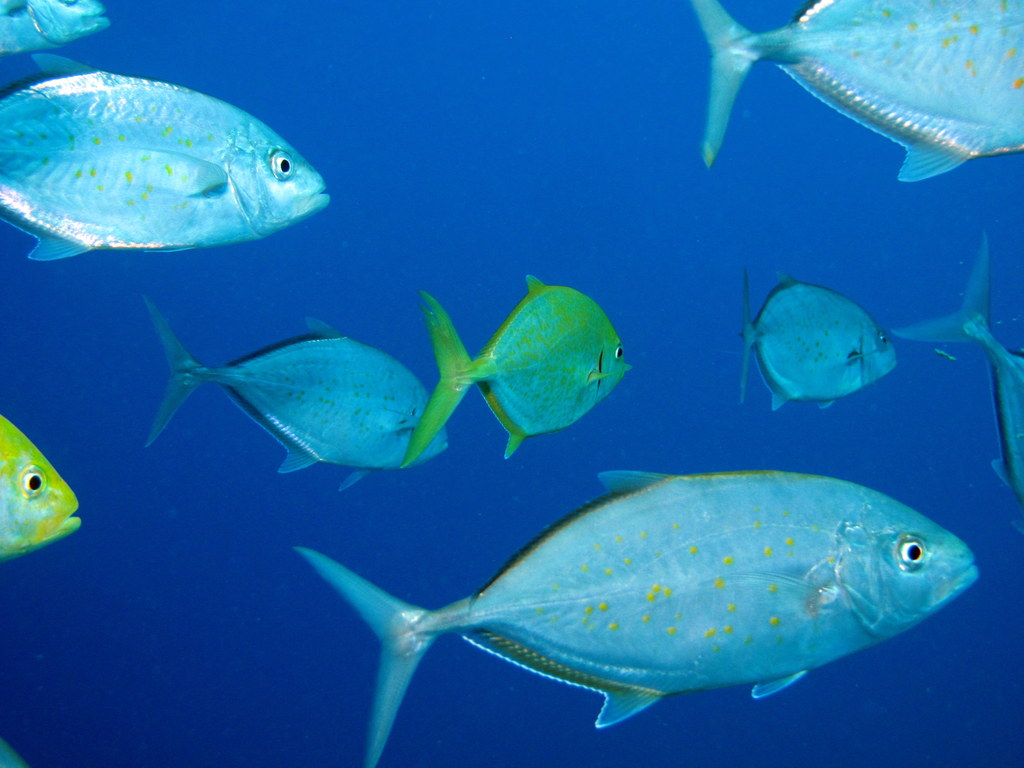
Which reefs in the Fury Shoals are worth visiting?
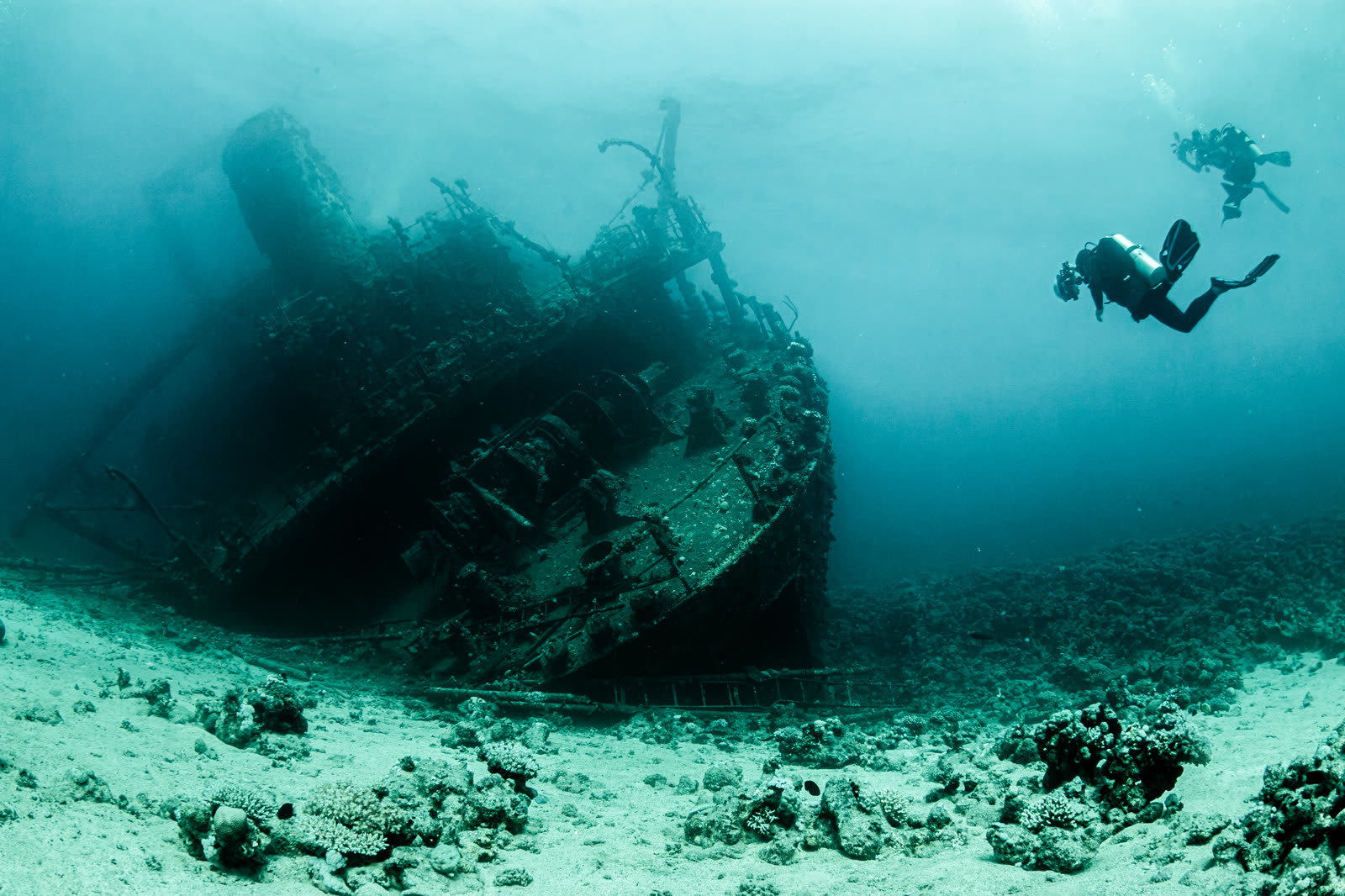
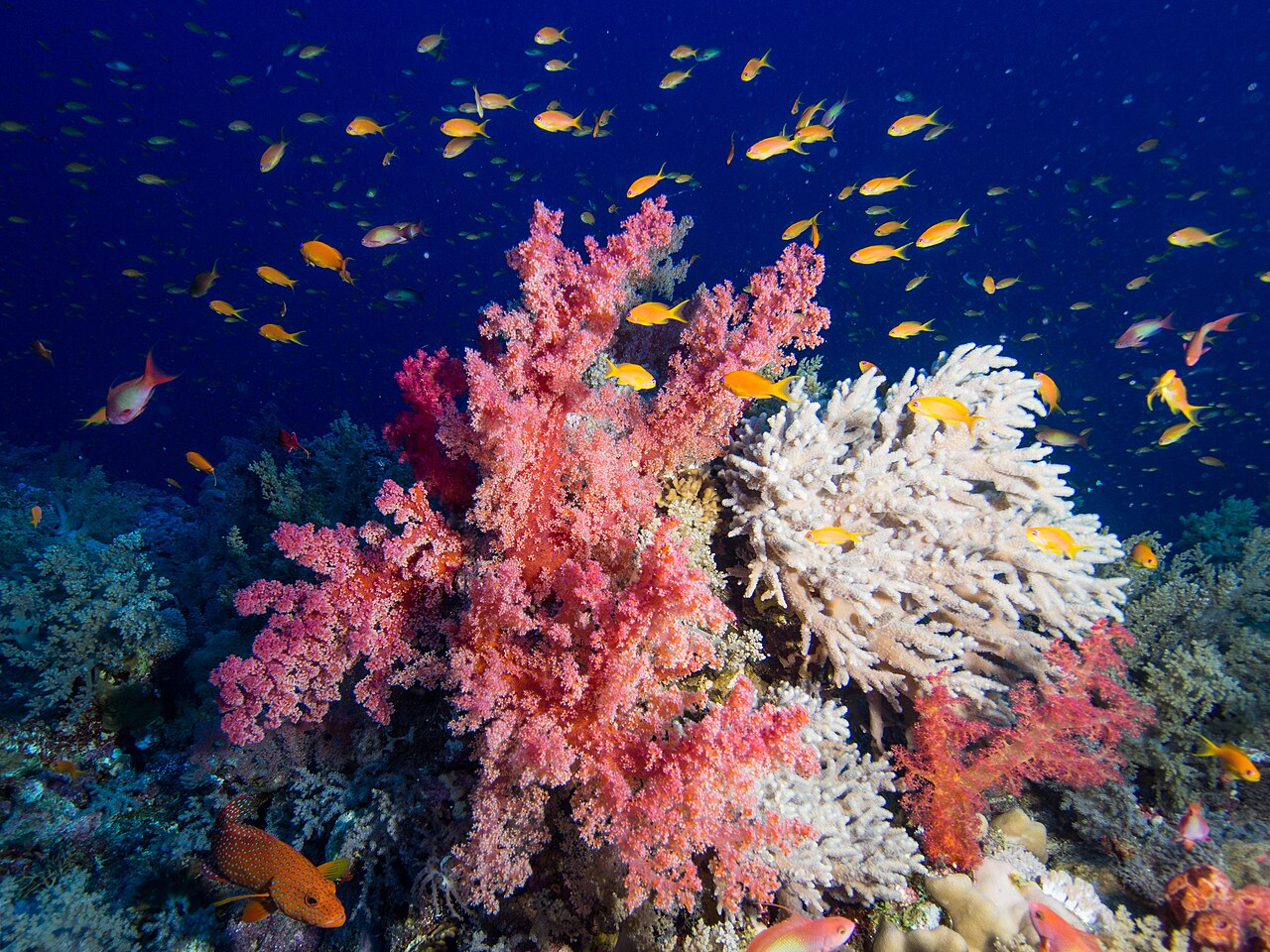
- Abu Galawa: coral towers in clear, shallow water, good for both divers and snorkelers.
- Claudio: shallow caves and swim-throughs, lit from above.
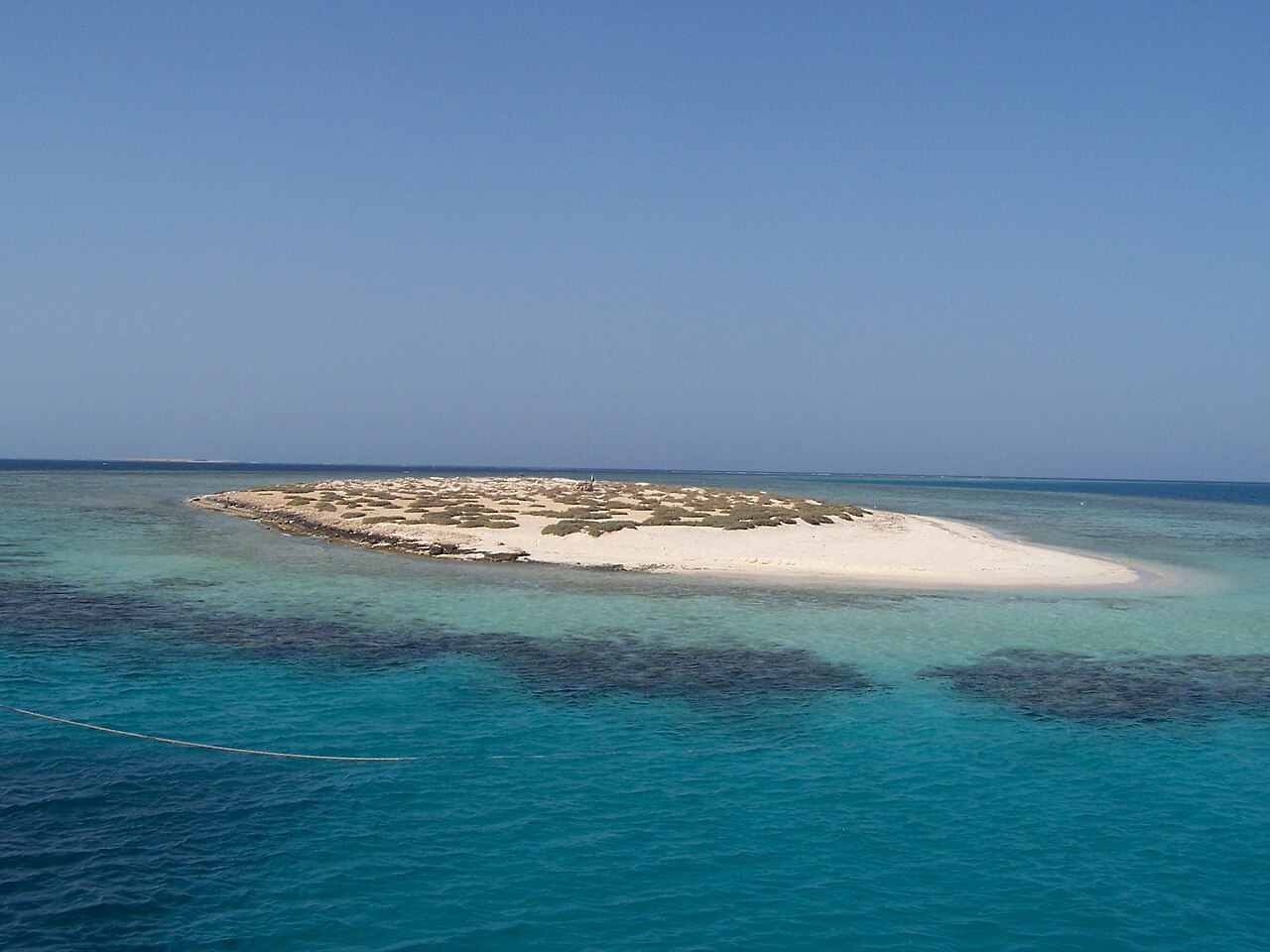
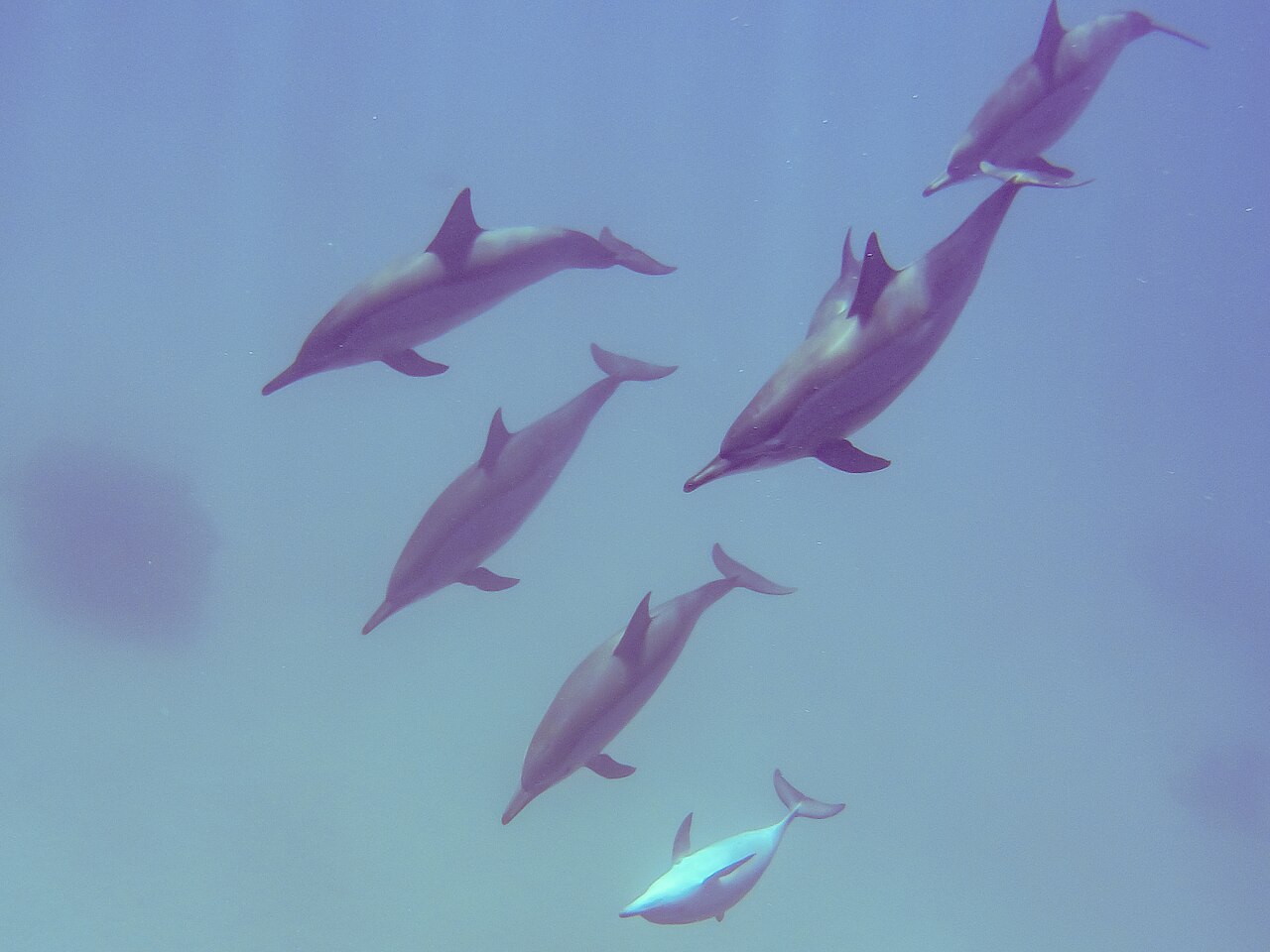
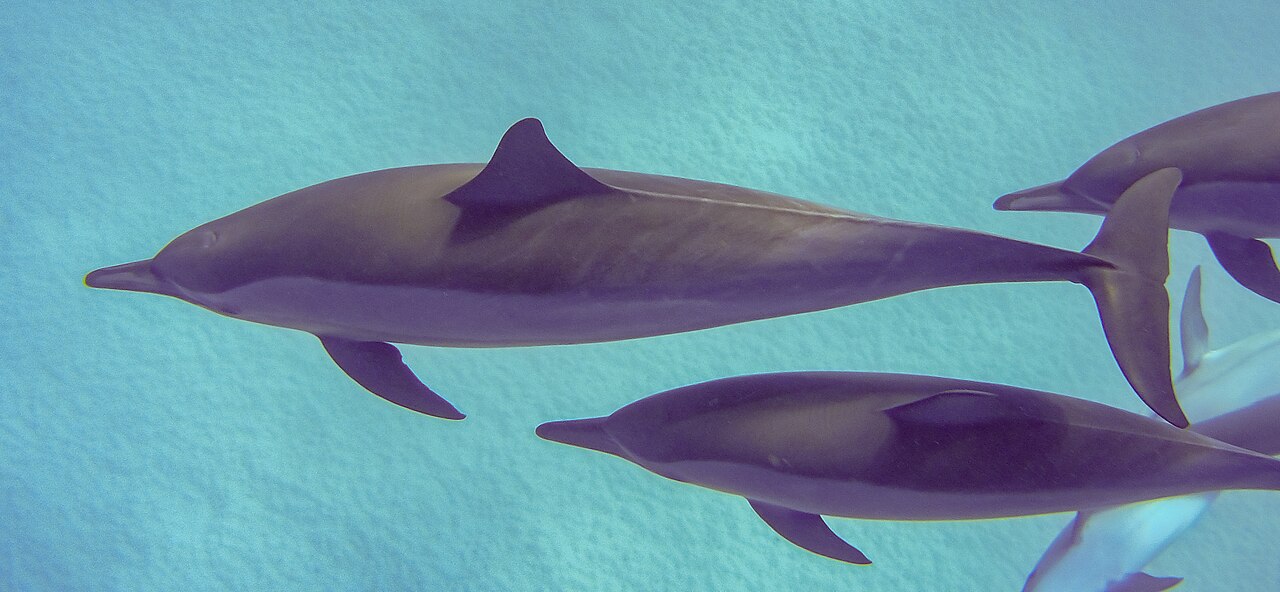
- Sataya: a long horseshoe reef with a sandy lagoon where spinner dolphins often rest.
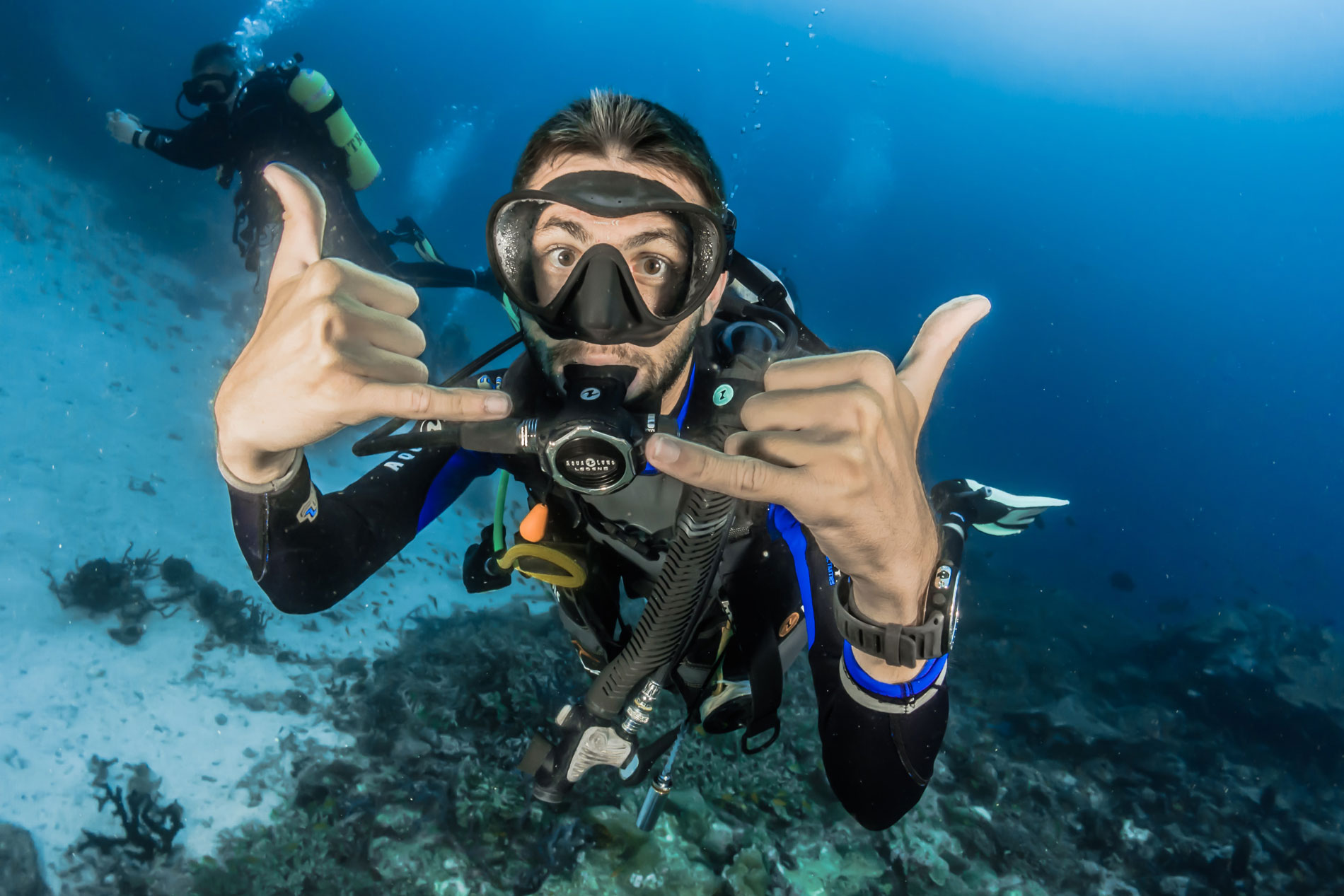
Many of the coral towers come close to the surface, so snorkelers see the same reefs as the divers.
How long does it take to reach the Fury Shoals?
From Port Ghalib it is a long passage south. Captains usually make it at night or at first light, so no day is lost to the crossing. Some yachts start from Hamata, which is much closer to the reefs.
When is the best time to visit the Fury Shoals?
Spring and autumn bring the calmest seas and warm water. The far south stays warm in winter too. See our month-by-month guide for details.
People also ask
Where are the Fury Shoals?
In the far south of the Egyptian Red Sea, south of Hamata, a long passage from Port Ghalib.
Can you see dolphins in the Fury Shoals?
Often, at Sataya, a horseshoe reef where spinner dolphins rest in the sandy lagoon.
Are the Fury Shoals good for snorkeling?
Yes. Many of the coral towers come close to the surface, so snorkelers see much of what the divers see.
Red Sea yacht charter itineraries.
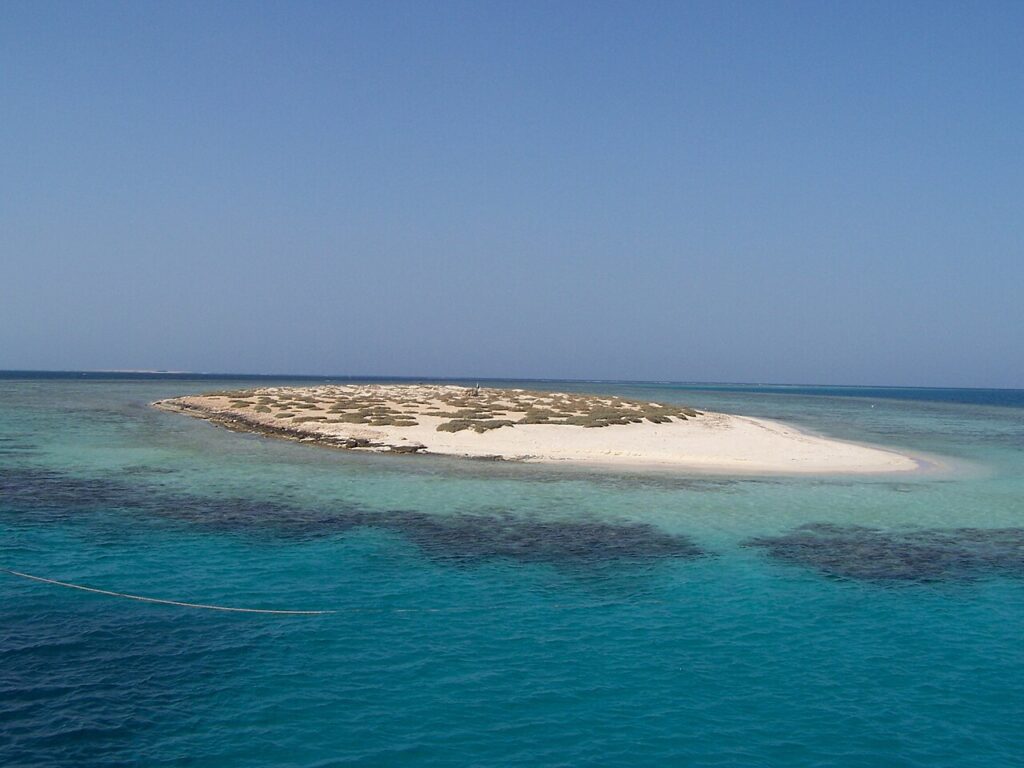
7-Day Red Sea Yacht Charter Itinerary: Marsa Alam and the Southern Reefs
A seven-day southern Red Sea route from Port Ghalib: Elphinstone Reef, the Dolphin House, the Fury Shoals, Sataya and the Qulan islands.
See full itinerary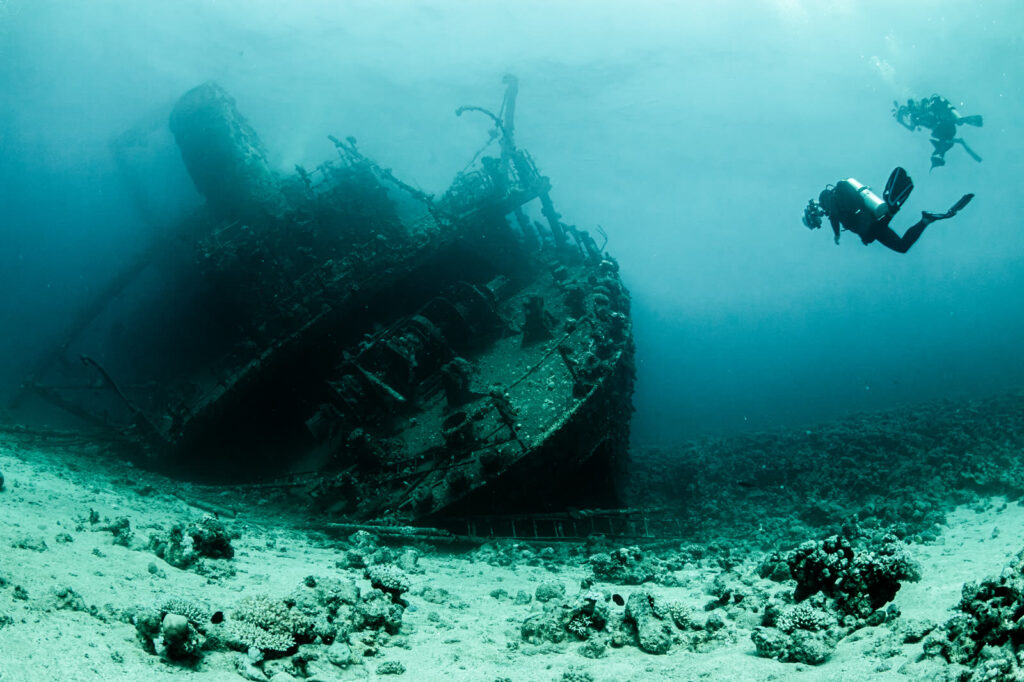
7-Day Red Sea Yacht Charter Itinerary: Hurghada to Sharm el Sheikh
A seven-day northern Red Sea route from Hurghada to Sharm el Sheikh: the Giftun islands, Abu Nuhas, the SS Thistlegorm, Ras Mohammed and Tiran.
See full itineraryPhotos via Wikimedia Commons: Sataya Reef by Derek Keats (CC BY 2.0); spinner dolphins by Diego Delso (CC BY-SA 4.0).





 iMessage
 WhatsApp